

Because it produces food and industrial raw materials, farming is the foundation of many economies around the world. However, crop production is seriously threatened by pests and diseases, which result in yield and quality losses. To maintain profitable farming and guarantee food security, effective pest and disease management is crucial. Farmers can lower losses, use fewer chemicals, and preserve environmental sustainability by implementing integrated pest and disease management strategies.
Understanding Pests and Diseases
Insects, rodents, nematodes, and other organisms that harm crops are considered pests in agriculture. On the other hand, pathogens like bacteria, viruses, and fungi are what cause diseases. Because control measures are required, these pests and diseases not only lower crop productivity but also raise production costs. The first step in putting an efficient management plan into action is determining the kinds of pests and diseases that are affecting crops.
Causes and Spread of Pests and Diseases
Certain environmental conditions are conducive to the growth of pests and diseases. Their spread is facilitated by elements like monoculture farming, high humidity, and unhealthy soil. Furthermore, contaminated seeds, soil, water, or human activity can spread pests from one place to another. Because climate change has changed the environmental conditions that are conducive to the growth of pests and diseases, their prevalence has increased even more.
Methods of Pest and Disease Management
In farming, there are a number of ways to control diseases and pests. These consist of chemical, biological, mechanical, and cultural control techniques. To get long-lasting results, farmers need to take an integrated approach that incorporates several tactics. The kind of disease or pest, the extent of the infestation, and environmental factors all influence the method selection.

Cultural Control Methods
Preventive measures to lessen the incidence of diseases and pests are part of cultural practices. Intercropping, crop rotation, and preserving soil health are all successful cultural control strategies. Outbreaks of pests and diseases can also be reduced by using resistant crop varieties and maintaining good field hygiene. Infestation risk is further decreased by timely planting and effective irrigation management.
Mechanical and Physical Control Methods
Pests are physically removed from crops using mechanical control methods. These include utilising traps, hand-picking insects, and erecting barriers like fences or nets. Physical control techniques like solarisation, which involves exposing soil to high temperatures with plastic sheets, aid in the eradication of diseases and pests that are carried by the soil. These techniques lessen dependency on chemicals and are eco-friendly.
Biological Control Methods
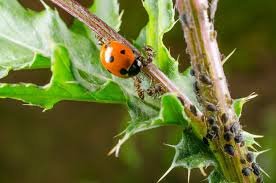
Natural enemies of pests are used in biological control to control their numbers. Pathogens, parasitoids, and predators are important in managing pest populations. Aphids, for instance, are naturally reduced in number by ladybirds, which feed on them. Plant diseases can also be inhibited by introducing helpful fungus and microorganisms. Farmlands can help these natural control agents by promoting biodiversity.
Chemical Control Methods
Using insecticides, fungicides, and herbicides to control diseases and pests is known as chemical control. Although these techniques yield fast and efficient results, overuse of them can result in health risks, environmental contamination, and pesticide resistance. To reduce negative impacts, farmers should use pesticides according to the right criteria, which include utilising recommended dosages, rotating chemicals, and implementing integrated pest management.
Integrated Pest Management (IPM)
For long-lasting effects, integrated pest management, or IPM, is a comprehensive strategy that blends different pest control methods. It entails keeping an eye on pest populations, controlling them with biological and cultural means, and only employing chemicals when required. IPM ensures efficient pest and disease control while lowering production costs, minimising environmental impact, and using fewer chemicals.

Importance of Soil Health in Pest Management
A healthy soil is essential for keeping illnesses and pests at bay. Strong plant growth is supported by well-nourished soil, which increases crops’ resistance to diseases. Soil health is improved by balanced nutrients, organic matter, and helpful microorganisms. Composting, applying green manure, and reducing tillage are methods that enhance soil quality and inhibit dangerous pathogens.
Role of Technology in Pest and Disease Management
Technological developments have enhanced farming’s ability to control pests and diseases. AI-based monitoring systems, drones, and remote sensing aid in the early detection of pest outbreaks. Targeted pesticide application made possible by precision agriculture techniques lowers waste and its negative effects on the environment. Additionally, farmers can access real-time information on pest management techniques through digital platforms and mobile apps.
Climate Change and Its Impact on Pest Management
New plant diseases and pest infestations have increased as a result of climate change. Unpredictable rainfall, rising temperatures, and harsh weather patterns all contribute to the growth of pests. To lessen these difficulties, farmers must embrace climate-resilient farming techniques like crop diversification, weather-based pest predictions, and the use of resistant crop types.
Challenges in Pest and Disease Management
Farmers still confront a number of difficulties in managing pests and diseases, even with the availability of numerous pest control techniques. Effective management is hampered by the high expense of pesticides, a lack of knowledge about alternate control methods, and the emergence of insect resistance. Farmers’ options are further limited by regulatory limits on specific insecticides. Research, farmer education, and policy support are necessary to overcome these obstacles.
Sustainable Approaches to Pest and Disease Control
Reducing reliance on chemicals, fostering ecological balance, and protecting biodiversity are all part of sustainable pest and disease control. Natural pest control systems are supported by agroecological techniques including habitat management and companion planting. Promoting sustainable pest management techniques requires collaboration between government regulations, academic institutions, and farmer cooperatives.

Conclusion
In order to achieve high agricultural output and sustainability, pest and disease management is crucial. To properly control pests and diseases, farmers must use an integrated strategy that incorporates mechanical, biological, chemical, and cultural techniques. The impact of pests and diseases on agricultural output can be considerably decreased by making investments in soil health, utilising technology, and putting sustainable practices into place. Farmers can increase yields, safeguard food security for future generations, and protect their crops with the right tactics and assistance.

