

One of the mainstays of world agriculture, tomato farming, is going through a radical change. AI-driven systems that optimise each stage of cultivation are replacing manual labour-intensive and intuitive traditional methods. Technology is increasing yields, decreasing waste, and guaranteeing sustainability in everything from choosing the best seed to automating harvests. This blog examines how robotics, data analytics, IoT devices, and artificial intelligence are revolutionising tomato farming and providing farmers with previously unheard-of levels of accuracy and productivity.

AI-Powered Planning and Site Selection
Strategic planning is the first step in the journey. To determine the best places for farming, AI examines satellite imagery, soil health reports, and historical climate data. Machine learning models forecast the effects of sunlight, rainfall, and temperature on tomato growth. To make sure the land is ready for cultivation, sensors are buried in the soil to measure moisture, nutrient content, and pH levels. By reducing uncertainty, this data-driven strategy enables farmers to concentrate on areas with the greatest potential and steer clear of low-yielding locations.
Smart Seed Selection and Germination
Selecting the appropriate tomato variety is essential. To suggest seeds suited to particular circumstances, AI algorithms consider genetic information, disease resistance, and yield history. For example, priority is given to hybrid varieties that are suitable for arid climates or areas that are prone to disease. IoT-enabled climate chambers maintain optimal humidity, temperature, and light levels during germination. By tracking the growth of seedlings, computer vision can identify weak plants early. This guarantees consistent growth, lowering losses and providing farmers with an advantage.
Precision Planting with Automated Machinery
Autonomous planters take over when the seedlings are ready. These devices, which are controlled by AI and GPS, precisely place plants to maximise airflow and sunlight exposure. Real-time drone mapping of the field allows for the modification of planting patterns in response to variations in the terrain. Sensors allow for on-the-go adjustments by monitoring soil moisture and nutrient levels. This promotes healthier crops by removing resource competition and overcrowding. Farmers maximise the efficiency of land use while saving time and labour.

Real-Time Crop Monitoring via IoT and Drones
Drones and IoT devices become the farmer’s eyes after planting. Data on temperature, moisture, and nutrients is sent to centralised platforms by soil sensors. High-resolution photos are taken by drones fitted with multispectral cameras, which can identify early indicators of illness, stress, or pests. This data is processed by AI, which warns farmers of problems before they become more serious. Uneven chlorophyll levels, for instance, may be a sign of a nitrogen shortage and call for the application of fertiliser in specific areas. This proactive strategy reduces resource waste and crop loss.
AI-Driven Pest and Disease Management
Aphids and blight are among the pests and diseases that can harm tomatoes. Drone photos are analysed by AI-powered image recognition tools to detect infestations early on. Weather patterns are used to forecast risks by predictive models that have been trained on historical outbreak data. Up to 50% less chemicals are used by farmers when they receive alerts to apply biocontrol agents or precision sprays. Furthermore, data-backed interventions are made possible by smart traps with cameras that count and categorise pests.
Smart Irrigation and Nutrient Delivery
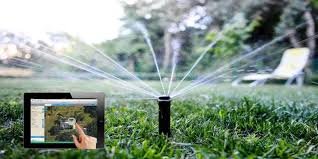
AI streamlines the management of water and nutrients. In order to avoid over- or under-irrigation, smart irrigation systems modify watering schedules based on soil data and weather forecasts. Drip systems improve absorption by delivering liquid fertilisers and water straight to the roots. In order to avoid excessive runoff that damages the environment, machine learning algorithms determine precise nutrient requirements. According to studies, these systems can increase yields by 20% while reducing water use by 30%.
Automated Harvesting with Robotics
Manual tomato harvesting is time-consuming and labour-intensive. Nowadays, AI-powered robots use RGB-D sensors and computer vision to detect ripe tomatoes. Robotic arms that work around the clock carefully harvest fruits without harming plants. As they gain experience, these devices become more accurate and faster. Autonomous harvesters can guarantee that produce is picked at the height of freshness, increasing market value, and save labour costs for large farms by 60%.

Post-Harvest Handling and Quality Control
AI continues to add value after harvest. Sorting systems classify tomatoes according to size, colour, and ripeness using cameras and machine learning. Fruits with flaws are automatically thrown out. Blockchain technology ensures transparency by tracking produce from farm to shelf. AI is used in storage facilities to control humidity and temperature, increasing shelf life. This maximises profitability while reducing food waste, which is estimated to be between 20 and 30 percent worldwide.
Sustainability and Environmental Impact
Eco-friendly farming is promoted by advanced systems. By using fewer chemicals, precision agriculture preserves soil and waterways. AI optimises greenhouse energy use, frequently incorporating solar panels. To preserve soil health, farmers can implement regenerative techniques like crop rotation with the aid of data analytics. AI-driven tomato farming contributes to global sustainability goals by reducing emissions and waste.
The Road Ahead: Integrating Emerging Technologies
The future is even more exciting. Research on drought-resistant tomato genetics may be accelerated by quantum computing. AI and CRISPR gene editing could produce disease-resistant cultivars. Through real-time overlays, augmented reality (AR) could help farmers with troubleshooting. Cloud-based AI tools will become available to rural farms as 5G networks grow, democratising high-tech agriculture.
Conclusion
The transformation of tomato farming from art to science is a prime example of the future of agriculture. Farmers can meet growing food demands sustainably by producing more with fewer resources thanks to AI and sophisticated systems. Even though the initial costs of technology may seem high, there is no denying the long-term increases in productivity, yield, and environmental responsibility. Even small-scale farmers can prosper as these tools become more widely available, guaranteeing a robust food system for future generations. Combining innovation and tradition is not only advantageous, but also necessary.

