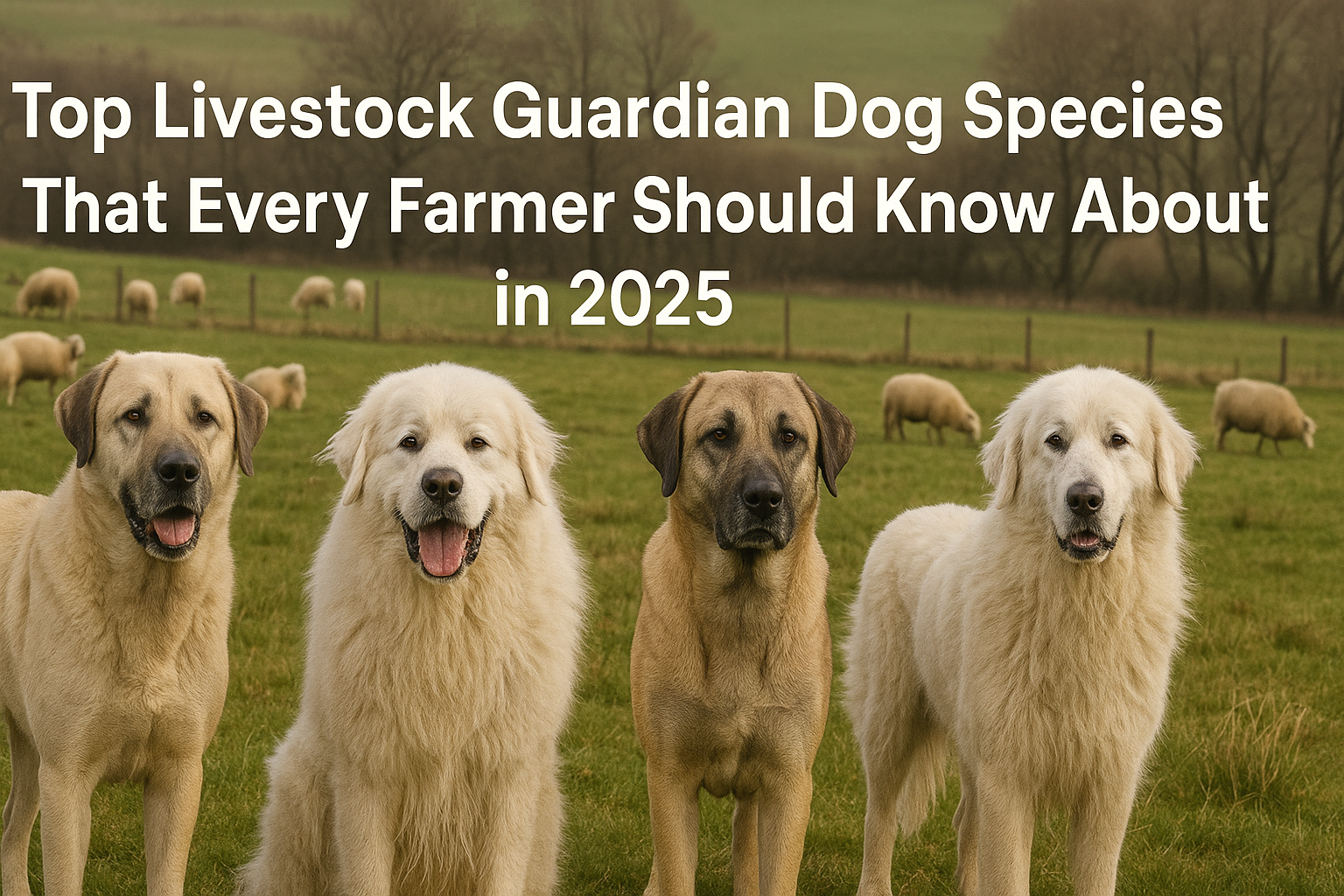
Protecting your livestock from predators is not just a necessity—it’s a matter of survival for small and large farms alike. While fencing and technology can help, nothing replaces the centuries-old tradition of using a livestock guardian dog species. These specialized dog species have been bred for generations to bond with livestock, stay alert, and deter threats—both human and animal.
Whether you’re running a sheep farm in Texas or raising goats in Montana, choosing the right dog species can significantly improve your herd’s safety and peace of mind.
Why Livestock Guardian Dogs Are Essential for Farm Life
Farmers deal with a variety of predators—coyotes, wolves, stray dogs, and sometimes even mountain lions. While weapons and alarms might help, they’re not always effective or humane. That’s where dog species trained for livestock protection shine. These animals live among the herd, forming deep bonds, and defending their “pack” with loyalty and courage.
These dog species are not just protectors; they are companions, workers, and part of your farm’s rhythm. Their constant presence often deters predators before any confrontation even begins.
For example, according to a study by the Livestock Protection Dogs Project at Colorado State University, farms that used guardian dogs saw up to a 93% decrease in predation incidents. That’s a game-changer.
What Sets Livestock Guardian Dog Species Apart?
Not all dog species are suitable for guarding livestock. While a Labrador or Border Collie might do well in herding or companionship, guardian breeds need specific instincts. They must be independent thinkers, territorial, and trustworthy around animals.
Key characteristics of these dog species include thick coats (for all-weather resilience), large sizes (to intimidate predators), and deep loyalty. Unlike aggressive watchdogs, guardian dogs are calm and observant. They don’t bark unnecessarily but won’t hesitate to confront danger when necessary.
Most importantly, these dog species must integrate with the livestock—living, sleeping, and moving with them daily. This helps in developing a bond that turns instinct into action when threats arise.
The History of Livestock Guardian Dogs
Livestock guardian dog species have a rich history that dates back over 2,000 years. In regions like Turkey, the Caucasus, and the Italian Alps, shepherds relied on specific dog species to patrol their flocks. The genetics of these dogs were fine-tuned over centuries to enhance their guarding instincts, stamina, and decision-making.
Some of the oldest breeds still in use today include the Anatolian Shepherd, Great Pyrenees, and Maremma Sheepdog. These are not just farm helpers—they are living relics of ancient agricultural traditions.
Their job hasn’t changed much, but today’s threats might be more complex. With expanding urban areas and the return of apex predators in some U.S. states, choosing the right dog species for protection is more important than ever.
Traits to Look for in a Livestock Guardian Dog Species
When evaluating which dog species is best suited for your farm, it’s vital to focus on temperament, adaptability, and ease of training. You don’t want a breed that’s too aggressive, nor one that’s too submissive.
A good guardian dog should:
-
Form strong bonds with animals and humans
-
Be able to work independently without constant supervision
-
Thrive in various climates and terrains
-
Have a low prey drive to avoid chasing livestock
-
Exhibit calm behavior but act decisively under threat
Many popular dog species fail to meet these standards, so investing in the right breed saves both time and livestock.
Great Pyrenees: The Gentle Giant of the Dog Species
Among all livestock guardian species, the Great Pyrenees stands out as one of the most recognizable and reliable. With its thick white coat and calm demeanor, it blends effortlessly with sheep, goats, and alpacas.
Bred in the Pyrenees Mountains between France and Spain, this dog species is known for its strong guarding instincts and ability to work in cold weather. Despite its size, it’s gentle with young animals and children. Its nocturnal nature makes it an excellent nighttime sentry.
More about their temperament and history can be found at American Kennel Club – Great Pyrenees.
Anatolian Shepherd: The Watchful Warrior
If you’re looking for a rugged, durable, and independent dog specie, the Anatolian Shepherd deserves serious consideration. Originating from Turkey, this breed was bred to protect livestock from large predators like wolves and bears.
Known for its endurance and focus, the Anatolian can guard vast areas and often does so with minimal human input. It’s not overly affectionate, but its loyalty is unmatched.
Farmers with large pastures and limited fencing often find this dog species ideal for off-grid protection.
Maremma Sheepdog: The Italian Specialist
The Maremma Sheepdog is a lesser-known but powerful guardian dog species that hails from central Italy. Historically used to protect sheep in the Apennines, this breed is intelligent, affectionate, and a hard worker.
Its thick white coat helps it blend with flocks, confusing predators. With consistent training, the Maremma becomes an irreplaceable part of the farm family.
You can learn more at The Maremma Sheepdog Club of America.
Kuvasz: Hungary’s Fiercest Protector
Among the top livestock guardian dog species, the Kuvasz has a long legacy in Hungarian history. This breed combines nobility, strength, and bravery—often described as aloof toward strangers but deeply loyal to its flock.
Its thick coat makes it ideal for colder climates. Farmers in mountainous or high-altitude farms may find the Kuvasz to be one of the most resilient species available today.
Tibetan Mastiff: The Ancient Guard of the Himalayas
For farms located in extreme weather or high-threat environments, the Tibetan Mastiff could be the ultimate guardian dog specie. Originally used to protect monasteries and flocks in the Himalayas, this breed is known for its protective instincts and imposing presence.
Its independence and strength require experienced handlers, but when properly trained, this species can protect livestock from even the most dangerous predators.
Training Tips for Livestock Guardian Dog Species
Raising a livestock guardian dog is different from training a typical pet. It starts from an early age—puppies should be introduced to the livestock they’ll protect within the first few weeks.
Avoid over-socializing with humans, as these dog species need to identify livestock as their primary responsibility. Consistency, boundary training, and supervision are key.
Many farmers recommend using older, trained dogs to help teach pups the ropes. Peer learning is remarkably effective for these intelligent dog species.
Challenges of Livestock Guardian Dogs
While these dog species offer excellent protection, they come with challenges. Their independent nature sometimes makes them resistant to obedience commands. They can also be escape artists, especially in search of threats.
Healthcare is another consideration. These large dog species need regular vet checkups, parasite control, and joint support due to their size and workload.
Not every farm will suit every breed. Understanding the landscape, predator threats, and climate is essential before bringing a guardian dog species into your operation.
Final Thoughts: The Right Dog Species for Your Farm
Choosing a livestock guardian dog species is more than a decision—it’s a long-term investment in your farm’s safety and success. The right breed can mean fewer losses, reduced stress, and better animal welfare. These noble canines don’t just guard—they lead, observe, and serve with heart.
Evaluate your farm’s needs and match them with the traits of different dog species. Whether it’s the rugged Anatolian Shepherd, the majestic Great Pyrenees, or the loyal Maremma, your choice will shape the future of your farm.