Introduction: Two Nations, One Passion – Farming 🌾
🌱 1. Farm Size & Land Ownership: Bigger Isn’t Always Better
US Farmers:
American farms are often large and highly mechanized. The average farm size in the US is about 444 acres (around 180 hectares). These farms are typically family-owned but run like agribusinesses.
Indian Farmers:
In contrast, the average farm size in India is only 1.08 hectares. Most Indian farmers are small and marginal landholders who depend heavily on manual labor and seasonal rainfall.
🚜 2. Technology & Mechanization: Tractors vs Traditional Tools
US Agriculture:
The US uses advanced technologies like GPS tractors, AI-based soil testing, precision farming, and drones for crop monitoring. These innovations increase productivity and reduce human effort.
India’s Agriculture:
While India is slowly adopting modern tools, a large portion of farmers still use bullocks, hand tools, and outdated irrigation systems. Startups and government schemes are trying to bring change, but the shift is slow.

💧 3. Irrigation & Water Management
US Farmers:
Water management in the US is well-planned. Farmers use drip irrigation, sprinklers, and water conservation techniques. Water resources are monitored and supported by strong infrastructure.
Indian Farmers:
India faces water scarcity issues in many states. Around 52% of farmland is still rain-fed. Lack of awareness and poor canal systems make water access difficult in many regions.

💰 4. Farmer Income & Government Support
US Scenario:
American farmers receive heavy subsidies from the government. Programs like the Farm Bill ensure support during bad seasons, crop insurance, and export incentives.
Indian Reality:
Although the Indian government offers schemes like PM-KISAN and MSP (Minimum Support Price), income disparity remains high. Most Indian farmers earn less than ₹10,000/month.
🌾 5. Crop Diversity & Seasonal Cycles
US Agriculture:
The US primarily grows wheat, corn, soybeans, and cotton. Thanks to its climate, the country can focus on fewer crops at industrial scale.
India’s Crops:
India is known for diverse crops due to its varied climates. Farmers grow rice, wheat, pulses, sugarcane, and spices. However, excessive dependency on seasonal rainfall creates instability.
🌿 6. Organic Farming & Sustainability: Who’s Greener?
US Trends:
Organic farming is booming in the US. Consumers are willing to pay more for organic products, and farmers get good returns. There are clear certifications and market access.
Indian Growth:
India is the largest organic producer in terms of number of farmers. But due to lack of awareness, market linkage, and certification issues, organic farming is still at a nascent stage.

📲 7. Digital & AgriTech Adoption
In the US:
From weather apps to automated irrigation systems, digital agriculture is common in the US. Farmers use real-time data to make informed decisions.
In India:
AgriTech startups like DeHaat, Kisan Network, and AgroStar are helping farmers go digital. However, low digital literacy and rural internet issues are still barriers.
🤝 8. Community & Farming Culture
Indian Farmers:
Farming in India is often a family tradition passed down generations. Rural communities celebrate harvest festivals like Pongal, Baisakhi, and Makar Sankranti.
US Farmers:
In the US, farming is business-oriented but still respected. There are farmer cooperatives and support organizations, but the emotional-cultural bond is less compared to India.
📈 9. Challenges Faced by Farmers
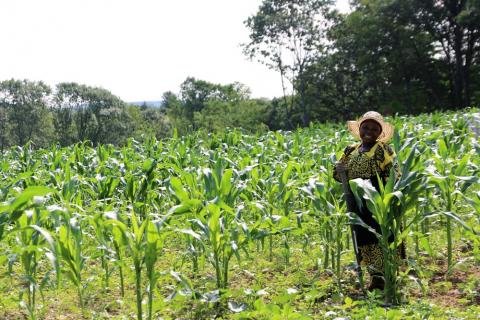
Both US and Indian farmers face climate change, unpredictable rainfall, rising costs of inputs, and global market fluctuations. However, Indian farmers are more vulnerable due to smaller land holdings and limited resources.
✅ Conclusion: What Can We Learn From Each Other?
Despite vast differences, both countries have something to learn from each other. India can adopt technology and efficient water use practices from the US. On the other hand, the US can take notes from India’s crop diversity and organic potential.
Farming is not just an occupation—it’s a way of life. Whether it’s the rich soil of Punjab or the cornfields of Iowa, the farmer’s spirit remains the same—resilient, hardworking, and hopeful. 🌎👨🌾👩🌾
💬 FAQs
Q1. Why do US farmers earn more than Indian farmers?
Because of larger land size, better access to technology, and strong government support.
Q2. What are the major crops grown in India and the US?
India: Rice, wheat, pulses, sugarcane.
US: Corn, soybeans, wheat, cotton.
Q3. Which country is better for organic farming?
Both have potential. The US has a strong market; India has the highest number of organic farmers.